Perspectives

The future of software is lovable


We live in a time at which it may seem hard for Europe to play a role at the forefront of global AI. But then those who say it absolutely can’t be done are usually interrupted by others doing it. And so in AI, every so often, we meet the kinds of outliers that prove naysayers wrong.
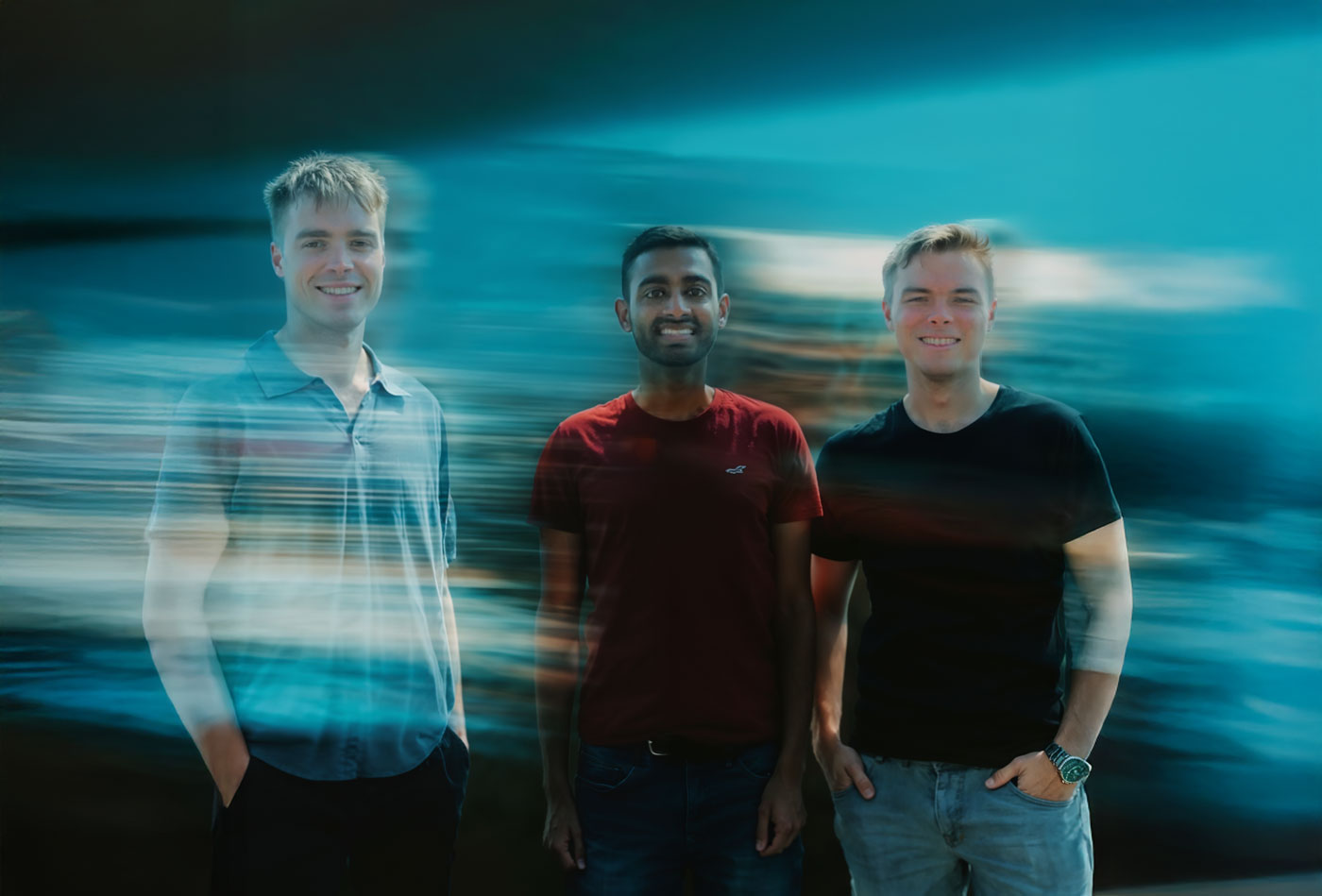
There is a quiet but immense force about Robin Rombach, Andreas Blattmann, and Patrick Esser. Their laser sharp focus and sense for zero bullshit set them apart. They can hold their own like few can on the global AI research stage, but they don’t let this get to their head for even a second. Their entire attention goes towards one thing: building great AI.
When spending time with them, you cannot help but fiercely root for them. They don’t make headlines by being the loudest, but by shipping great quality products, and by building the world’s largest ecosystem in visual AI in the process. Originating from the Black Forest region in southwest Germany, BFL’s models do not only impress with top-notch performance but also typical German efficiency (in the usual trade-off between good, fast & cheap, BFL does a remarkable job at catering to all three dimensions).
Their models already power the visual engines of the world’s leading enterprises, among them Meta, Adobe, and Canva, and they have more cooking. When it comes to innovating at the visual frontier, we have barely scratched the surface of the capabilities that AI will afford us.
On a more personal note: I have been transparent about the ambivalence I feel regarding image and video models for human benefit. I have criticised what I perceive as the ethical challenges of image models, including in their current use in certain social media apps. I was personally extremely impressed by some of the hard yet ethical choices that the BFL team has taken in this regard. They are operating at a powerful technological frontier and are the calibre of founders who will continue to have respect for the real consequences of the models they offer to the world.
At the same time, I remain a fierce believer in the superpowers AI affords us. When used intentionally, AI becomes an extension of our thinking and imagination, drastically increasing the creative abilities of all of us.
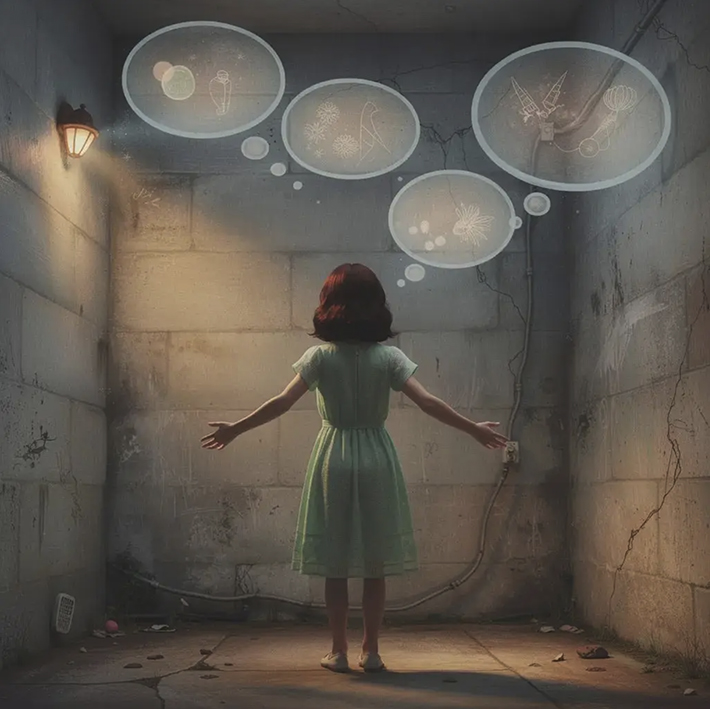
The other week, I was pondering the world of AI that lies ahead of us and, as is often the case, in doing so, I reminisced on times that have long passed. This chain-of-thought led me to the German folk song “Die Gedanken sind frei (Thoughts are free)” and an image I created using BFL’s latest Flux 2 model below:
Robin, Andi and the entire BFL team: we’re rooting for you. Here’s to lifting humanity’s imagination, enabling thoughts to become shared reality and making the world a more creative place. Stay tuned!




Visionaries
Taktile
Judith Dada
Venkat Kondragunta
Judith Dada
Visionaries
Visionaries
Visionaries